How To Help People Affected By The Coronavirus
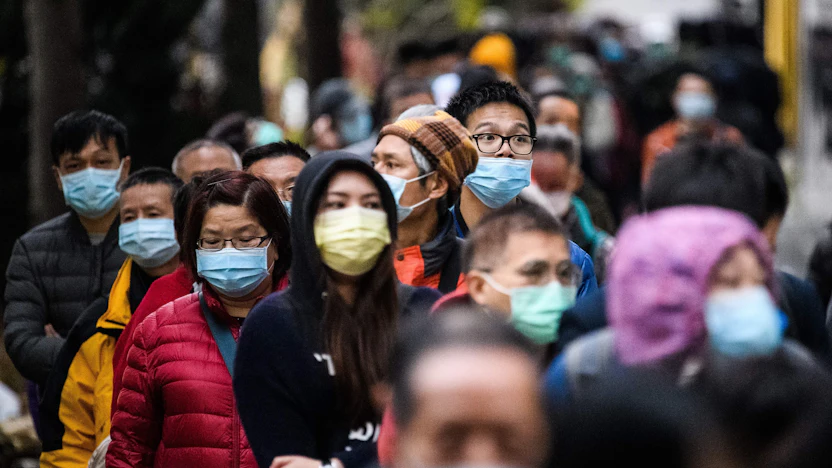 Since December 2019, the spread of a new coronavirus originating in Wuhan, China, has had people all over the world taking extra precautions to protect themselves from the illness. Now meeting the criteria for a Public Health Emergency of International Concern, the outbreak has people worried about the ultimate devastation the virus will cause.On Feb. 11, the World Health Organization (WHO) announced an official name for the strain of the coronavirus: COVID-19, which stands for coronavirus disease 2019. The name change is an attempt to combat stigma and discrimination surrounding the virus since it was first identified in Wuhan, China at the end of 2019.
Dr. Tedros Adhanom Ghebreyesus, director general of the WHO, tweeted: "Under agreed guidelines between WHO, the @OIEAnimalHealth & @FAO, we had to find a name that did not refer to a geographical location, an animal, an individual or group of people, and which is also pronounceable and related to the disease."
Though the virus has been found in 24 countries as of Feb. 11, the largest concentration of the outbreak remains in its origin country, as China's sick toll is nearing 43,000 confirmed cases, and 1,018 fatalities. In an effort to control the outbreak, Wuhan residents are under quarantine, which has limited their ability to get fresh food and other necessities and resources on their There are only 13 confirmed cases in all of the U.S., according to the Centers for Disease Control and Prevention, meaning the threat of infection is not currently considered an emergency. On Monday, Governor Cuomo shared that there are no confirmed cases of COVID-19 in New York. According to The New York Times, the basic flu is more of a threat to New Yorkers than COVID-19 with 57,000 cases of the flu reported across the state and counting. Being aware of the threat level, severity of the illness, and the actual state of the COVID-19 outbreak, versus giving into fear mongering behaviors is a personal responsibility that should be taken seriously.
You'll want to put your efforts into helping people affected by the COVID-19 by donating your time, energy, and resources to relief efforts. Here's a list of organizations that are currently accepting help, resources for responsible, and reliable information on the state of the outbreak, and other ways to make a difference:own.
Dr. Tedros Adhanom Ghebreyesus, director general of the WHO, tweeted: "Under agreed guidelines between WHO, the @OIEAnimalHealth & @FAO, we had to find a name that did not refer to a geographical location, an animal, an individual or group of people, and which is also pronounceable and related to the disease."
Though the virus has been found in 24 countries as of Feb. 11, the largest concentration of the outbreak remains in its origin country, as China's sick toll is nearing 43,000 confirmed cases, and 1,018 fatalities. In an effort to control the outbreak, Wuhan residents are under quarantine, which has limited their ability to get fresh food and other necessities and resources on their There are only 13 confirmed cases in all of the U.S., according to the Centers for Disease Control and Prevention, meaning the threat of infection is not currently considered an emergency. On Monday, Governor Cuomo shared that there are no confirmed cases of COVID-19 in New York. According to The New York Times, the basic flu is more of a threat to New Yorkers than COVID-19 with 57,000 cases of the flu reported across the state and counting. Being aware of the threat level, severity of the illness, and the actual state of the COVID-19 outbreak, versus giving into fear mongering behaviors is a personal responsibility that should be taken seriously.
You'll want to put your efforts into helping people affected by the COVID-19 by donating your time, energy, and resources to relief efforts. Here's a list of organizations that are currently accepting help, resources for responsible, and reliable information on the state of the outbreak, and other ways to make a difference:own.
Comments
Post a Comment